
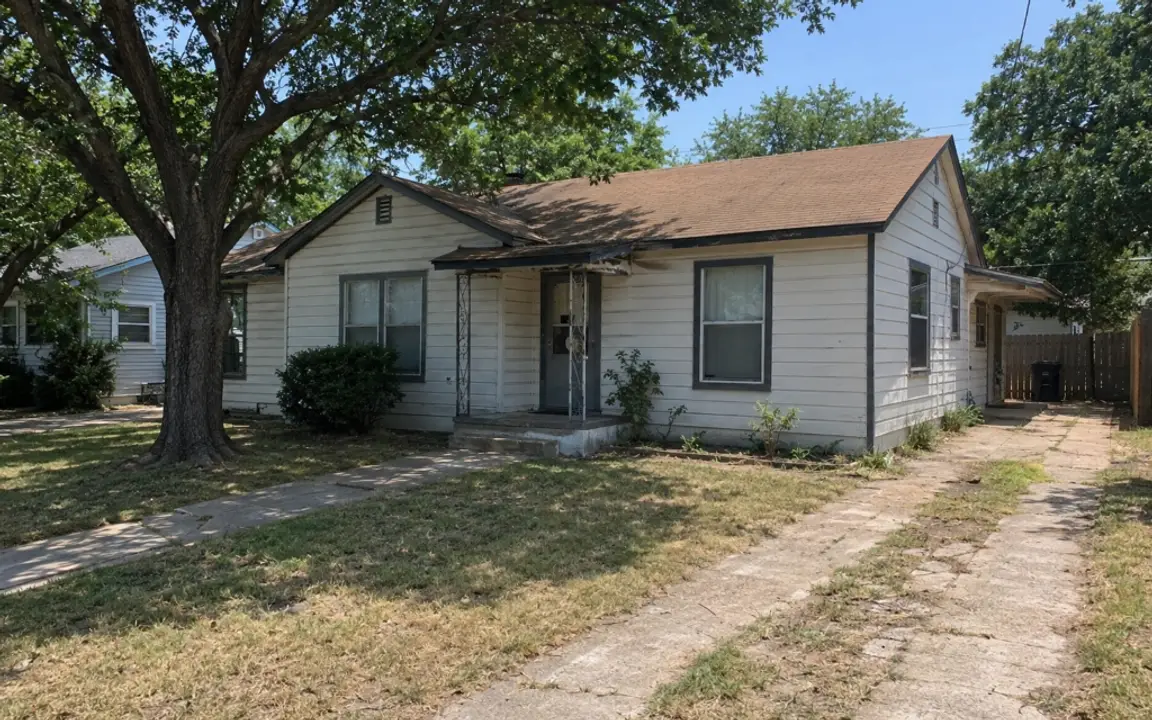
If you are an executor or heir wondering if you can sell a house in probate in Texas, the short answer is yes, but the path is full of landmines. This guide walks you through the most common and costly mistakes people make during a probate home sale, so you can avoid delays, legal problems, and deals that fall apart at the last minute.
Probate in Texas follows a specific legal process, and the rules governing the sale of real estate during that process are strict. Missing a single step can set you back months, cost you money, and create conflict among family members. Knowing what not to do is just as important as knowing what to do.
What Are the Biggest Mistakes People Make Selling a Probate Home in Texas?
Most problems with probate home sales come down to one thing: moving too fast without understanding the legal requirements. Executors often assume that because they are in charge of the estate, they can sell the property whenever they want. That is not always true in Texas.
Assuming You Have Automatic Authority to Sell
In Texas, whether you can sell a property without court approval depends on how the will is written and what type of probate is opened. If the will grants independent administration, the executor has broad powers and can often sell the home without first obtaining a judge’s approval. But if the estate requires dependent administration, every major decision, including a home sale, may need court approval.
Skipping this step is one of the most common and damaging mistakes Texas families make in probate sales. The sale could be invalidated, and the executor could face personal liability for acting outside their legal authority.
Not Getting All Heirs to Agree Before Listing
Another major mistake is listing the home before all heirs are on board. Even if you have legal authority to sell, moving forward when other heirs object is a recipe for conflict, delays, and possible legal challenges.
Heir agreement before sale is not just a courtesy. In some cases, it is a legal requirement. If the home is co-inherited and one heir refuses to cooperate, the sale can stall or fail. We recommend sitting down with all parties, and ideally an attorney, before the home is ever listed or shown to buyers.
Underestimating the Timeline
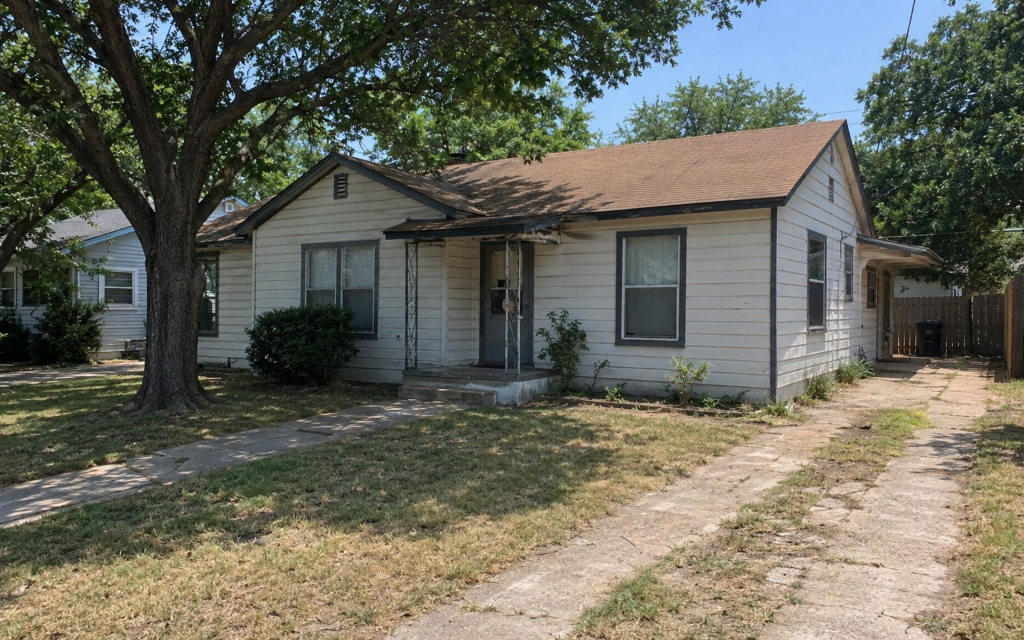
A probate home sale in Texas rarely moves quickly. Between the probate court process, required notices, property appraisals, and potential objections, a traditional sale can take anywhere from 6 months to over a year. Planning for a 30-day closing will set you up for disappointment and, if you are covering property taxes, insurance, or maintenance costs in the meantime, possibly financial stress.
How Can Skipping Legal Steps Delay or Kill a Probate Home Sale?
So, can you sell a house in probate in Hurst if you skip a few steps to save time? Technically, you might get away with it early on, but those shortcuts almost always surface later and create much bigger problems.
Title Issues That Surface at Closing
One of the most frustrating moments in a probate home sale is discovering a title issue at the closing table. Title companies and buyers’ attorneys will dig into the chain of ownership. If the probate was not handled properly, if notices were not filed, or if the court did not formally approve the sale when required, the title cannot be transferred cleanly.
Title issues with probate property are among the top reasons deals collapse in Texas. A cash buyer may be willing to wait while you fix the problem, but a financed buyer often cannot. Their lender will not approve a loan on a property with a cloudy title, and the deal dies.
Failing to File Proper Notices
Texas probate law requires certain notices to be published and sent to creditors and interested parties. This gives anyone with a claim against the estate a chance to come forward. Skipping this step does not make those claims disappear. It just means they can surface later and derail your sale or reduce the proceeds you actually receive.
Working with a probate attorney from the start is the best way to make sure every notice is filed correctly and on time. We always encourage sellers we work with in Arlington to have legal representation in place before they accept any offer.
Executor Liability When Rules Are Ignored
Executors have a legal duty to act in the best interest of all heirs and creditors. When that duty is breached, such as by selling property below market value without proper authority or without the heir’s consent, the executor can be held personally responsible. Executor liability in a home sale is a real risk, not just a theoretical one.
A failed probate sale Texas families experience often traces back to an executor trying to handle everything alone without legal guidance. The result is personal financial exposure and a broken family trust that can last for years.
How Do You Choose the Right Buyer to Avoid Probate Sale Problems?
Choosing the wrong buyer is one of the most overlooked mistakes Texas executors make in probate sales. Not every buyer is equipped to handle the unique demands of a probate transaction.
Why Financed Buyers Create Risk in Probate Sales
Traditional buyers who rely on mortgage financing add a layer of uncertainty to any sale, and that uncertainty is amplified in a probate transaction. Lenders have their own timelines, inspectors, and conditions. If the property needs repairs, the loan may not close. If the appraisal comes in low, the buyer may back out.
Probate sales often involve homes that have not been updated in years. Expecting a financed buyer to sail through the process without issues is optimistic at best. A deal that falls apart after 60 days on the market means starting over, which in probate means more court time and more expenses.
What to Look for in a Cash Buyer for Probate Property
A cash buyer who has experience with probate properties is a very different animal from a typical investor. They understand that the timeline is court-driven, not seller-driven. They will not pressure you to close before the court is ready. They know what title work looks like on a probate property, and they come prepared.
When evaluating a cash buyer, ask these questions:
- Have they purchased probate properties in Texas before?
- Are they willing to work with your probate attorney directly?
- Do they understand that closing may depend on court approval?
- Are they prepared to purchase the property as-is?
If a buyer cannot answer these questions confidently, they are probably not the right fit for a probate sale.
How Starfish Group Properties Works With Probate Sellers
We buy homes directly from executors and heirs throughout Arlington and Fort Worth, TX. We pay cash, buy as-is, and we understand how probate timelines work. There are no repairs required, no open houses, and no financing contingencies that can collapse a deal.
We work alongside your probate attorney to make the process as smooth as possible. Our goal is to give you a fair offer and a closing date that works within your legal process, not one that ignores it.
If you are navigating a probate sale and want to know your options, reach out to us. We are happy to answer questions without pressure or obligation.
Knowing that you can sell a house in probate in Texas is only the beginning. The real challenge is doing it correctly. Avoid the most common mistakes, including skipping legal steps, failing to get heir agreement, and choosing the wrong buyer, and your probate sale has a much better chance of closing without surprises. Working with experienced local buyers and a qualified probate attorney is the combination that protects everyone involved.
Frequently Asked Questions
Can you sell a house in probate in Texas without going to court?
It depends on the type of administration granted to the executor. Under independent administration, court approval may not be required for a sale. Under dependent administration, a judge must approve the transaction. We always recommend confirming this with a probate attorney before listing or accepting any offer.
What happens if an heir disagrees with selling the probate property?
If an heir objects to the sale, it can delay or block the transaction, especially if they have a legal ownership interest. In some cases, the dispute must be resolved through the probate court. Reaching an agreement before the sale is listed is the best way to avoid this situation entirely.
How long does a probate home sale take in Texas?
Most probate home sales in Texas take anywhere from six months to over a year when handled through traditional channels. Working with a cash buyer who understands probate timelines can reduce transaction delays, but the court process itself moves at its own pace.