
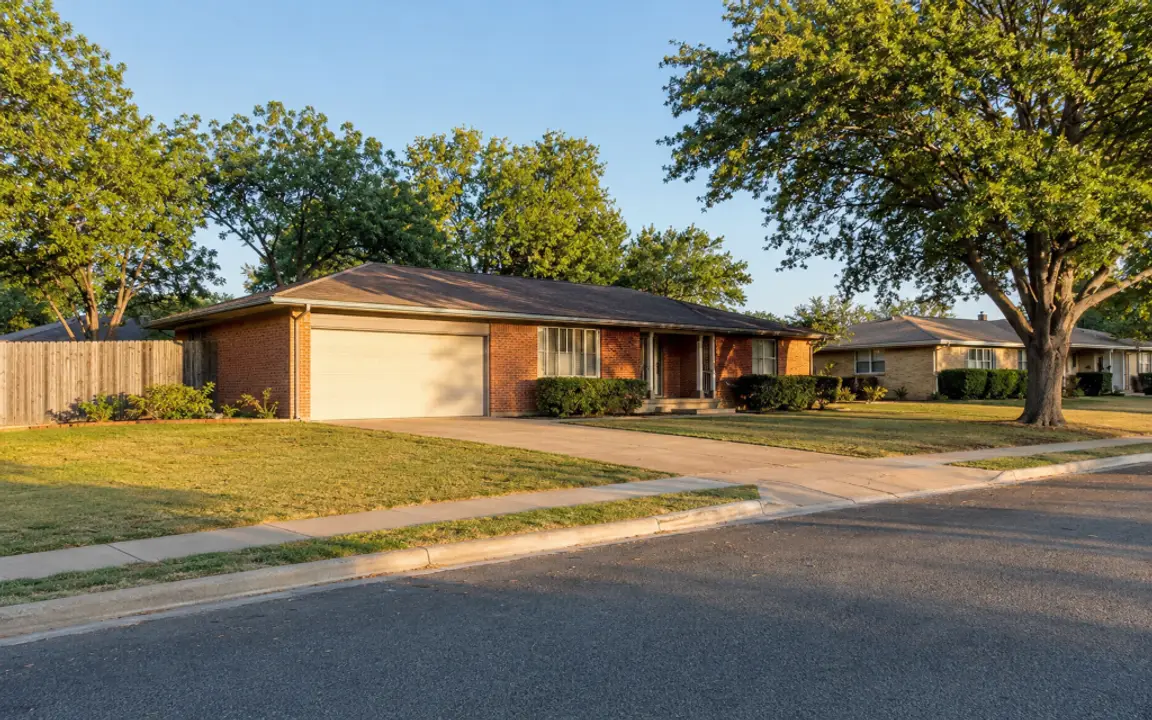
If you own a rental property in Arlington or Fort Worth and you’re ready to move on, you may be wondering whether you can sell a rental property with tenants still inside. The short answer is yes, and it happens more often than most landlords realize. This article will walk you through what Texas law says, what your tenants’ rights are, and how to decide on the best path forward for your situation.
Is It Legal to Sell a Rental Property With Tenants in Texas?
Texas law does allow you to sell an occupied rental property at any time. You do not have to wait for your tenants to leave before you list or close on the home. That said, there are rules you need to follow to protect yourself and your tenants throughout the process.
Your Rights as a Landlord
As the property owner, you have the right to sell whenever you choose. Owning the home means you control when it goes to market. However, selling does not automatically end a tenant’s lease. If your tenant has a fixed-term lease, that agreement must be honored by whoever buys the home. The new owner steps into your shoes and becomes the landlord for the remainder of that term.
If your tenant is on a month-to-month lease, the situation is more flexible. Either side can typically end that agreement with proper written notice. In Texas, 30 days is the standard notice period for month-to-month tenants, though it is always smart to review the specific language in your lease before acting.
What Texas Law Requires of You
Texas does not require you to notify tenants a certain number of days before listing the property. However, you must give reasonable notice before entering the home for showings, inspections, or appraisals. Most real estate professionals recommend at least 24 hours of written notice as a courtesy and to avoid disputes.
You are also required to transfer any remaining security deposit to the new owner at closing or return it directly to your tenant. This is one of the most commonly missed steps in an occupied property sale, and skipping it can create legal headaches later.
Lease Agreement Transfer at Closing
One of the most important pieces of this process is the lease agreement transfer. When you sell, the active lease does not disappear. It transfers to the buyer as part of the transaction. This means you need to provide the buyer with a full copy of the lease, any written addenda, and documentation of the deposit amount held. Getting these documents organized early will keep the closing process smooth.
Now that you understand the legal side, it helps to look at this from your tenant’s perspective as well.
What Happens to Tenants When You Sell a Rental Property?
Many landlords worry about how tenants will react when they find out the property is being sold. Most tenants simply want to know what the sale means for them. Being upfront and clear goes a long way toward keeping things peaceful during the process.
Tenant Rights During the Sale Process
Tenant rights during sale are protected under both Texas law and the terms of the existing lease. Your tenants have the right to stay in the home through the end of their lease term, regardless of who owns the property. They also have the right to receive proper notice before any entry and to live in a habitable home throughout the entire period.
One thing tenants often ask is whether the new owner can raise the rent immediately. If there is a fixed-term lease in place, the rent cannot change until that lease expires. The new owner must honor the original terms until the agreement ends.
Communicating With Your Tenants
How you talk to your tenants about the sale matters more than most landlords expect. A simple, honest conversation can prevent misunderstandings, missed showings, and unnecessary conflict. Let your tenants know early what is happening, what the timeline looks like, and how it will affect them day-to-day.
Consider offering a small incentive, such as a rent reduction or a gift card, in exchange for keeping the home clean and available for showings. Cooperative tenants make the sales process much easier, and a little goodwill goes a long way.
What Happens at the End of the Lease
If the new buyer intends to occupy the property themselves, they will need to wait until the lease expires before asking the tenant to leave. They cannot force a tenant out mid-lease simply because they want to move in. Once the lease ends, the new owner may choose not to renew and issue proper notice to vacate under Texas law.
If the buyer plans to keep it as a rental, the tenant may simply continue under the same terms or sign a new lease with the new owner after the old one expires.
Understanding tenant outcomes is important, but many landlords in North Richland Hills also face a more pressing question: Should they wait until the property is vacant?
Should You Wait for Tenants to Leave Before You Sell?
This is one of the most common questions tired landlords ask us. There is no single right answer. The best choice depends on your financial situation, your timeline, and the type of buyer you are targeting.
Selling Occupied Versus Vacant: Key Differences
A vacant property is generally easier to show and often appeals to a wider range of traditional buyers. However, waiting for tenants to leave can mean months of carrying costs, including mortgage payments, taxes, and insurance, with no rental income coming in.
An occupied property sale keeps income flowing until closing. If your tenant is paying rent on time and the home is in decent shape, staying occupied can actually work in your favor with the right buyer.
Who Buys Tenant-Occupied Properties?
Traditional buyers who plan to live in the home are less likely to purchase a property with tenants in place. They usually want to move in quickly. Cash home buyers and real estate investors, on the other hand, are comfortable with occupied properties. They understand rental property ownership, lease transfers, and tenant situations.
We work directly with landlords in Arlington, TX, and Fort Worth, TX, who want to sell without the headache of waiting, managing difficult tenants, or making repairs. We buy homes as-is, so you do not need to make any repairs before closing.
When Selling As-Is Makes the Most Sense
If you are dealing with late rent payments, a lease coming up for renewal, expensive repairs, or simply years of landlord fatigue, an as-is cash sale may be your cleanest exit. There are no showings to coordinate, no real estate agent commissions to pay, and no waiting for a buyer’s financing to come through.
We have helped landlords in the Dallas-Fort Worth area close quickly and move forward without the usual stress. If you are ready to explore your options, we would love to hear about your property and situation.
We make it simple to sell rental property with tenants in place. There is no pressure, no obligation, and no complicated paperwork on your end. Reach out to us today, and we will walk you through exactly what your home could be worth in a cash sale.
Frequently Asked Questions
Can I sell my rental property if my tenant still has a lease?
Yes, you can sell a tenant-occupied home at any time in Texas. The existing lease transfers to the new owner at closing, and the tenant has the right to stay through the end of the lease term. We buy properties in exactly this situation and handle the lease transfer as part of our process.
Do I have to tell my tenants I’m selling the property?
Texas law does not set a specific deadline for notifying tenants of a sale, but you are required to give reasonable notice before entering the property for showings or inspections. Being transparent with your tenants early tends to make the process smoother for everyone involved.
How quickly can I close when selling a tenant-occupied rental?
With a cash buyer, you can often close in as little as 7 to 14 days, even with tenants in place. We handle occupied property sales regularly and can move on your timeline. We take care of the details so you can focus on what comes next.