
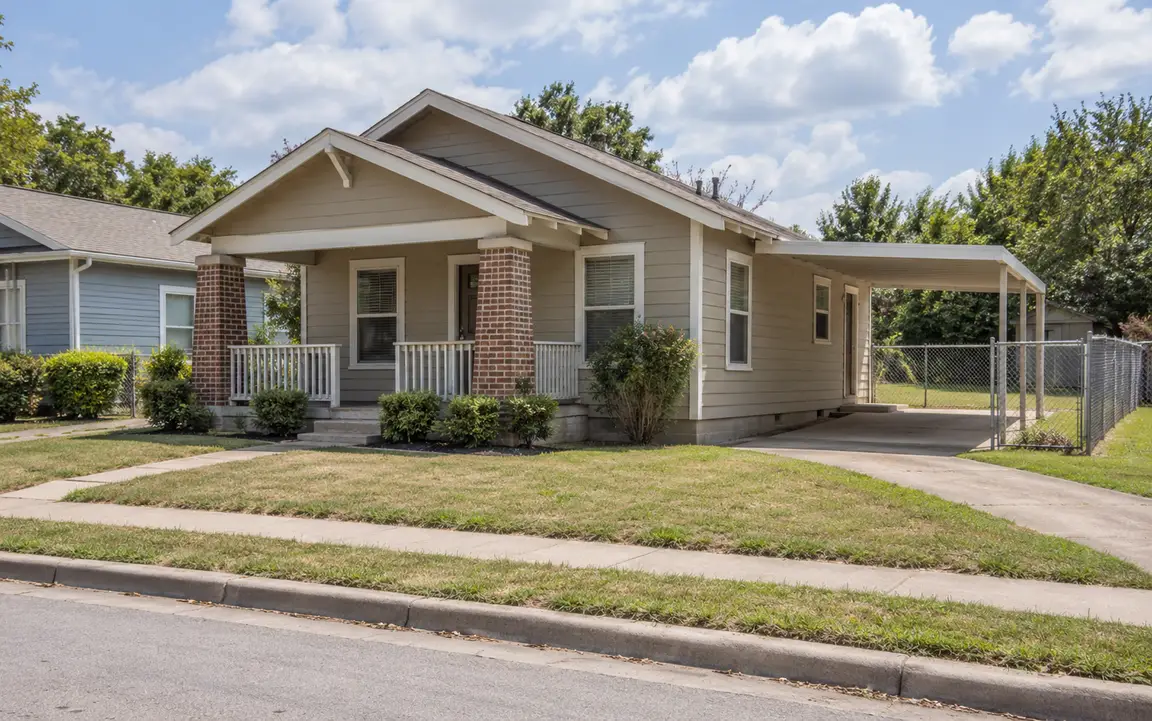
Before you rush through a contract in Bedford, make sure the buyer is reliable. Sellers have real options, but not every “we buy houses” company operates with the same level of honesty. Before you share personal details about your property or sign anything, confirm these three things.

What proof of funds should a legitimate cash buyer provide?
A real cash buyer has real money. That sounds obvious, but many sellers skip this step and later discover the buyer planned to assign the contract to someone else without saying so. Verifying funds protects you before you move forward.
Should you ask for a proof of funds letter?
A proof of funds letter comes from a bank or financial institution and confirms the buyer has enough liquid assets to close. It should show the available funds, the institution’s name, and the date. Ask for it before you sign anything.
Some buyers offer a pre-approval letter instead. That isn’t the same thing. A pre-approval means a lender might give them a loan, which is very different from having cash ready to close.
What should the document actually show?
A legitimate letter is usually recent and appears on official bank letterhead, not as a screenshot or a template-looking PDF. If you have doubts, call the bank directly to verify it.
Be wary of buyers who say their funds are “tied up” in other properties or who promise the funds will appear after you sign. Take that red flag seriously.
Is it a wholesale deal with an assignment clause?
Some companies that market themselves as cash buyers are wholesalers. They put your home under contract and then sell that contract to another investor. That isn’t always illegal, but they should disclose it upfront. If a buyer can’t show proof of funds and is vague about the closing process, ask directly whether they plan to assign the contract. If you want to sell your house as-is, make sure the buyer who signs is the buyer who closes.
Which contract terms suggest a cash buyer isn’t acting in good faith?
The purchase agreement is where many sellers get caught off guard. A contract that looks standard can contain clauses that heavily favor the buyer and leave you little recourse. Read it carefully, or have an attorney review it.
Are the closing dates vague or missing?
A trustworthy buyer agrees to a specific closing date or a clearly defined window. If the contract says closing will occur “at buyer’s discretion” or gives the buyer unlimited time, you’re at their mercy. Your property could be tied up while the buyer shops for another investor.
Look for a firm closing date and clear terms for what happens if the buyer fails to close on time.
Is the earnest money too low or never collected?
Earnest money is a deposit that shows the buyer is serious. The amount varies, and with cash buyers it is often lower, which can be acceptable. What isn’t acceptable is a buyer who refuses to put up any earnest money, or who holds it in their own account instead of a neutral escrow account. Money the buyer holds themselves offers you little protection.
Which red flags should you check line by line?
Before signing, look for terms like these:
- Unlimited inspection periods with no defined end date
- A clause letting the buyer back out for any reason with no penalty
- Language that lets the buyer cut the price after signing based on unspecified “repair estimates”
- No clear description of what is being purchased (address, legal description, and condition)
- Fees you weren’t told about during the initial offer conversation
A fair as-is cash offer shouldn’t require you to make repairs, pay hidden fees, or wait indefinitely. Ask each buyer which costs they cover, and get it in writing.
Where can Bedford sellers check a cash buyer’s track record?
You don’t have to take a buyer’s word for who they are. Reputation can be checked in real places.
Have you searched the company across multiple platforms?
Start with the company name plus “Bedford TX” or “Fort Worth TX.” Look for a Google Business Profile, a Better Business Bureau listing, and a presence on sites like Facebook or Yelp. A legitimate local buyer usually has some verifiable footprint.
Be cautious if the company has no online presence, or if its website is new with no local history. If you’re comparing cash home buyers in Bedford, run these checks on each one.
Is the company registered with the Texas Secretary of State?
Texas registers businesses through the Secretary of State, and you can search a company’s status online for free. A registered business isn’t guaranteed to behave well, but an unregistered one is a reason to pause. Also look for a physical address you can verify. A P.O. box alone isn’t a real business location.
Will the buyer provide local references?
A reputable buyer should be willing to share contact information for past sellers who agreed to be references. You may not always reach someone, but willingness says something. A buyer who refuses entirely, or who only points to reviews they control, gives you no meaningful way to verify their record.

Frequently Asked Questions
How do I know if a cash home buyer in Bedford is legitimate?
A legitimate buyer will provide a dated proof of funds letter from a real financial institution, operate as a registered Texas business, and be willing to share verifiable local references. Be cautious of any buyer who avoids these requests or pressures you to sign before you’re ready.
What should I look for in a cash offer contract before signing?
Look for a firm closing date, a clear property description, and earnest money held in a neutral escrow account. Watch for clauses that let the buyer lower the price after signing, add fees not mentioned in the offer, or take unlimited time to close with no consequences.
Can I sell my house in Bedford without making repairs first?
Often, yes. Selling as-is to a cash buyer is a common reason homeowners choose this path, and many buyers don’t ask for repairs or cleaning. The offer typically reflects the property’s current condition. Confirm in writing what the buyer expects before you sign.