
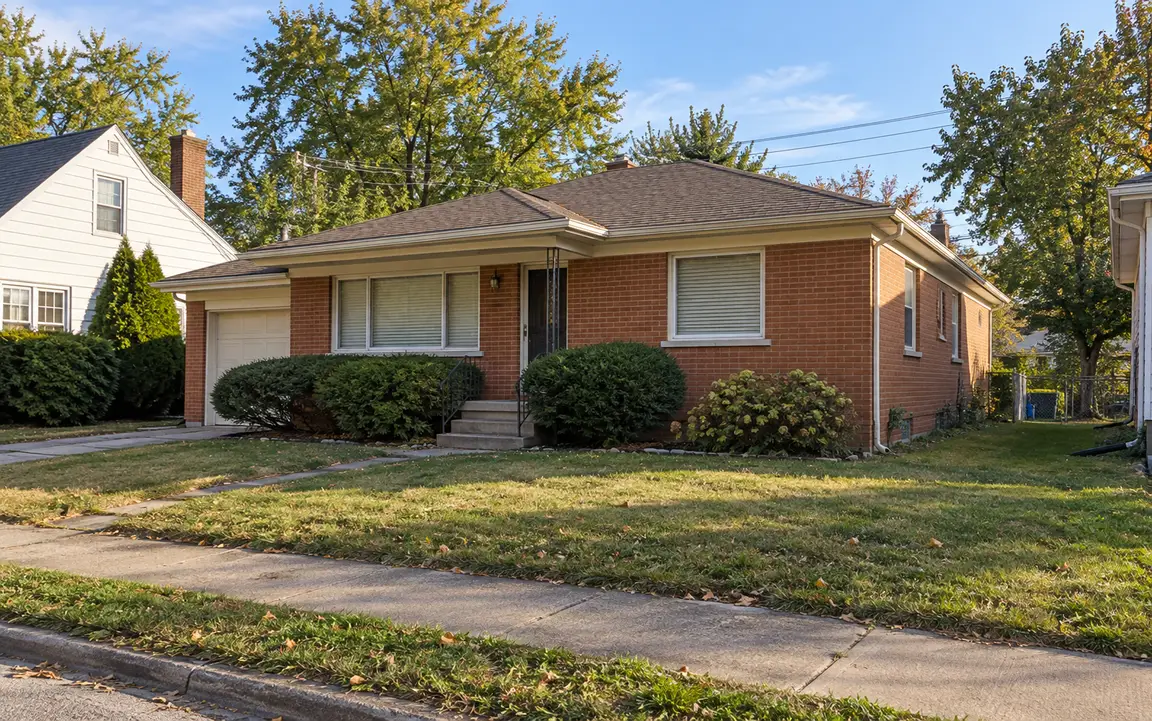
How to sell your house to an investor is one of the most common questions homeowners in Arlington and Fort Worth ask when they need to move on from a property without the delays of a traditional sale. The short answer is that investor purchases typically close much faster than financed deals — but the full picture depends on a few moving parts you should understand before you sign anything.
Speed matters to many sellers. Whether you are dealing with a job relocation, a difficult financial situation, or simply a property you no longer want to manage, understanding the realistic closing timeline helps you plan with confidence.
Why Do Cash Home Sales Close Faster Than Financed Ones?
The biggest reason cash purchases move quickly is the absence of a lender. When a buyer finances a home through a bank or mortgage company, the lender controls much of the timeline. Appraisals, underwriting reviews, income verification, and loan approval all add weeks to the process. Remove the lender, and you remove all of that.
No Mortgage Contingency Means No Waiting on a Bank
In a traditional sale, most buyers include a mortgage contingency in their offer. This clause means the deal can fall through if the buyer cannot secure financing. That contingency introduces real uncertainty and often stretches the closing window considerably.
A cash investor does not need a mortgage contingency. The funds are already available. Once both parties agree on terms, the process moves directly toward closing — without waiting on a bank to approve anything.
What Happens During a Cash Purchase Instead
Even without a lender, a home sale still involves a few steps. A title company verifies a clean chain of ownership, confirms there are no unexpected claims against the property, and prepares the legal documents needed to transfer ownership. This process typically takes less time than a full mortgage approval cycle — but it still requires some coordination.
In a cash sale, the general sequence looks like this:
- The investor reviews the property and makes a written offer.
- The seller accepts, and the parties sign a purchase agreement.
- The title company opens escrow and begins the title search.
- The title company resolves any title issues before closing.
- Both parties sign the closing documents and transfer funds.
That process moves considerably faster than a bank-dependent transaction.
As-Is Sales Remove Another Layer of Delay
When you sell to a cash home buyer, you sell the property as-is. That means no repair requests, no renovation requirements, and no waiting for contractors before the deal can close. We buy homes in their current condition — removing another common source of delay. Whether the home has deferred maintenance, water damage, fire damage, code violations, or other issues, those conditions do not stop the transaction from moving forward.
What Can Delay a Closing Even With a Cash Investor?
Cash sales are faster by design, but they are not instant. Certain situations can slow things down even without a lender involved. Knowing these ahead of time helps you avoid surprises.
Title Issues Can Pause the Process
A title search examines the legal history of your property to confirm you have the right to sell it. If that search turns up problems — an old lien, an unresolved judgment, or an heir who may have a claim on the property — the title company needs time to clear those issues before closing can happen.
We work with sellers who have existing liens or complicated title situations. In many cases, these issues get resolved during the closing process itself rather than before it begins. The key is identifying them early so nothing catches anyone off guard.
Seller-Side Documentation Can Create Gaps
Delays sometimes come from the seller, not the investor. Missing documents, probate situations where the estate has not been fully settled, or difficulty reaching all parties on title can slow things down. If multiple people own the home and one is hard to reach, that adds time — no matter how motivated the investor is to close.
Gathering your key paperwork early makes a real difference. Think mortgage statements, HOA documents if applicable, and any permits or records related to past work done on the home.
Tenant Situations Add Coordination
If the property has tenants currently living in it, their rights under Texas law must be respected. Selling a tenant-occupied home does not make a cash sale impossible — but it does require coordination. We purchase homes with tenants in place and navigate those situations as part of our process. Still, occupied properties often involve a few more steps than vacant ones.
How Quickly Can Sellers in the DFW Area Expect to Close?
Homeowners across the DFW area — including Arlington, Fort Worth, and Denton — who sell to a cash buyer typically see much shorter closing timelines compared to the traditional market. A conventional sale in the area often takes several weeks from listing to closing, and that timeline can stretch longer depending on financing delays or inspection negotiations.
The Flexible Closing Date Advantage
One benefit we offer is the ability to choose your own closing date. If you need to close quickly because of a time-sensitive situation, we work to accommodate that. If you need more time to make arrangements before moving out, that flexibility is available too. The goal is a closing date that works for your life — not just the calendar.
This is one of the key reasons many sellers prefer working with an investor rather than listing on the open market. You help shape the timeline rather than letting a lender or buyer’s agent control it.
Covering Closing Costs Keeps the Process Simple
We cover closing costs on our transactions. In a traditional sale, sellers often pay a portion of closing costs in addition to agent commissions — which reduces the net amount they receive. When you sell to us, what we agree on is what you walk away with, without unexpected fees eating into your proceeds at the table.
What a Realistic Timeline Actually Looks Like
No single answer applies to every property. A vacant home with a clean title and straightforward ownership can close much faster than a property with open liens or multiple owners. We work on your timeline and will always give you an honest assessment based on your property’s specific details — not a number that sounds impressive but may not reflect reality.
For sellers who value certainty as much as speed, the predictability of selling your home to a cash investor and skipping the lender entirely is often just as valuable as the shorter timeline itself.

Frequently Asked Questions
How fast can you close when selling your home to an investor?
The timeline varies based on the property’s title history, ownership situation, and any existing liens or tenant arrangements. Cash purchases generally close much faster than financed ones because no lender is involved — but the exact timeline depends on your home’s specific details.
Do I need to make repairs before selling my house to a cash investor?
We buy homes as-is, so repairs are not required before closing. We regularly purchase properties with damage, code violations, or deferred maintenance, and the home’s condition does not prevent the transaction from moving forward.
What role does the title company play in a cash home sale?
The title company verifies the property’s legal ownership history, clears any outstanding claims or liens, and prepares the documents needed to transfer title from the seller to the buyer. Their work is required in every real estate transaction — including cash sales — and the length of their process depends on what the title search uncovers.