
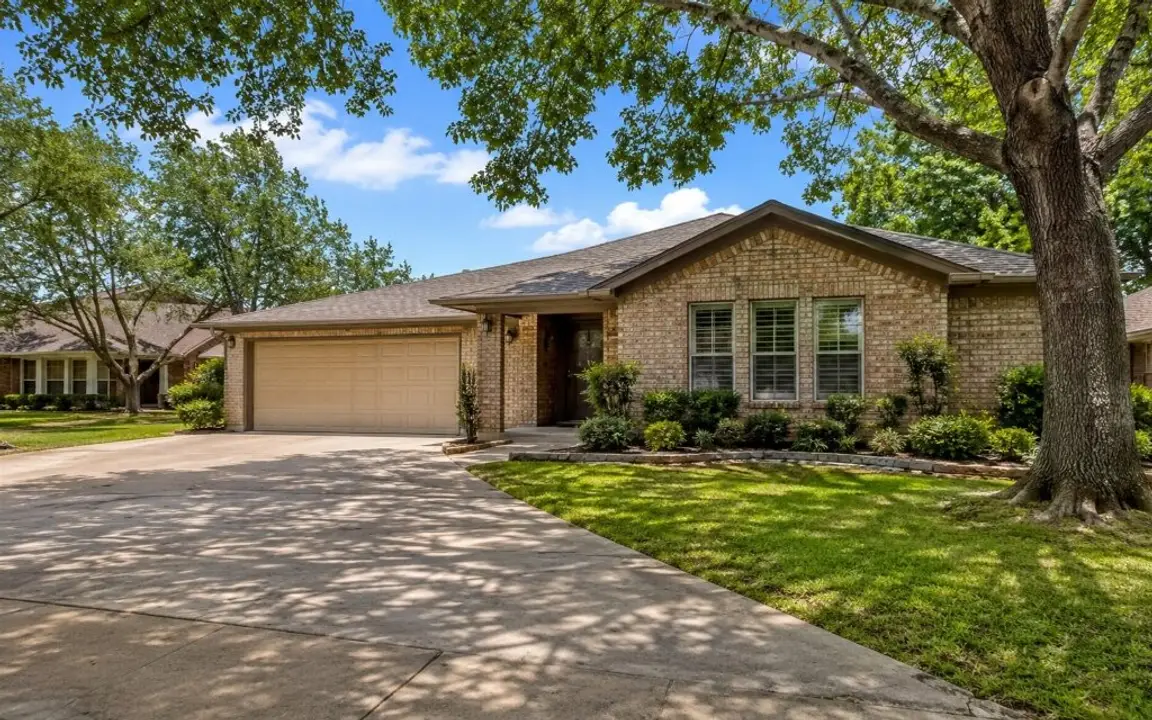
Understanding how to price an inherited home correctly starts with one honest question: what condition is the property actually in? An inherited property may be well maintained, dated, recently renovated, or in need of substantial repairs. Its actual condition should be evaluated rather than assumed from the fact that it was inherited.
How Does the Condition of an Inherited Home Change Its Value?
A home’s condition sits at the center of every pricing conversation. Buyers and appraisers look at the same property through different lenses, but both weigh condition heavily when deciding what a home is worth.
The Role of a Home Condition Assessment
A home condition assessment is a structured evaluation of a property’s physical state. It typically covers the roof, foundation, HVAC systems, plumbing, electrical, windows, and interior finishes. Each category receives a rating, and those ratings feed directly into estimated value.
For an inherited home, this assessment often reveals deferred maintenance costs that were quietly building for years. A 20-year-old roof, outdated electrical panels, and galvanized plumbing can each knock thousands of dollars off a home’s price. Together, they can make a significant dent in what you walk away with at closing.
How Appraisers Factor in Condition
Licensed appraisers use a condition rating scale, often labeled C1 through C6, to classify properties. A C1 property is essentially brand new. A C4 home shows obvious deferred maintenance but is still functional. A C5 or C6 property has serious issues that affect livability or safety.
What Buyers in the Local Market Expect
In Richland Hills, TX, buyer expectations vary by neighborhood and price point. Move-in-ready homes attract the widest pool of buyers and tend to sell closer to full market value. Homes that need cosmetic work sell to a narrower group. Homes that need structural or systems work often attract only investors and cash buyers.
Understanding which buyer pool your inherited property fits helps anchor the pricing conversation in reality. A home that needs a new roof, updated HVAC, and kitchen work is not priced the same way as a move-in-ready home on the same street, even if the square footage matches.
What Repairs or Updates Have the Biggest Impact on Price?
Not every repair carries equal weight. Some issues scare away buyers entirely. Others simply reduce the price by a predictable amount. Knowing the difference helps heirs decide where attention is most needed.
Major Systems and Structural Issues
Problems with the foundation, roof, electrical system, or plumbing have the heaviest impact on price. These are not cosmetic issues. They affect the safety and function of the home, and most lenders will not approve financing for a home with serious deficiencies in these areas.
A repair cost estimate from a licensed contractor puts real numbers behind these concerns. If the foundation needs work, get a written estimate. If the electrical panel is outdated or unsafe, find out what replacement costs. Buyers will factor these costs into their offers, often at a higher rate than your contractor quoted, so having your own numbers gives you a stronger negotiating position.
Deferred maintenance costs compound over time. A small roof leak ignored for three years can turn into damaged decking, mold in the attic, and ceiling damage inside the home. Each layer adds to the total cost and increases buyer hesitation.
Kitchens, Bathrooms, and Curb Appeal
After major systems, kitchens and bathrooms have the most influence on perceived value. Buyers touring a home with an original 1980s kitchen mentally calculate what a renovation would cost, and they subtract that number from their offer. The same applies to dated bathrooms with old tile, low-end fixtures, and poor ventilation.
Fixer-upper valuation is a real pricing category. Homes that clearly need cosmetic updates are marketed and priced differently than move-in-ready properties. In many cases, the gap between a fixer-upper price and a renovated price is larger than the actual cost of the work, because buyers price in their inconvenience, time, and risk alongside the renovation dollars.
Curb appeal matters more than most heirs expect. Overgrown landscaping, peeling paint, and a cracked driveway signal neglect before a buyer ever steps inside. These are relatively low-cost items to address but carry an outsized effect on first impressions and offer prices.
What Condition Ratings Mean in Practice
Buyers and their agents use condition to set expectations before they walk through the door. If the asking price is not supported by the property’s condition and relevant comparable sales, buyers may perceive the home as overpriced and negotiations may become more difficult. Getting the pricing right from the start requires being honest about where the home falls on the condition scale.
Should You Fix Up the Home Before Pricing It for Sale?
This is one of the most common questions heirs ask, and the honest answer depends on several factors specific to your situation.
When Repairs Make Financial Sense
If the inherited home needs only cosmetic updates, and you have the budget and time to complete them, targeted improvements can narrow the gap between a fixer-upper valuation and full market value. Fresh paint, new flooring, updated light fixtures, and cleaned landscaping are relatively low-cost upgrades that improve buyer perception without requiring a full renovation.
The key is calculating whether the cost of improvements is less than the price increase you expect to achieve. Do not assume that spending $10,000 will add more than $10,000 to sale value. Compare the estimated as-is price, expected post-repair price, total project cost, and additional selling expenses before proceeding.
When Selling As-Is Makes More Sense
An as-is home sale is often the right path when the property has serious condition issues, when heirs live out of state, when the estate has limited funds for improvements, or the owners prefer not to manage renovation work. Selling as-is means pricing the home to reflect its current condition and letting buyers factor in their own renovation plans.
Potential buyers may include owner-occupants, renovation buyers, investors, or direct cash buyers depending on the condition, price, financing eligibility, and contract terms. Investors, flippers, and cash buyers specifically look for homes that need work.
Starfish Group Properties evaluates inherited homes in Arlington and Fort Worth for direct purchase.
Balancing Time, Cost, and Emotional Energy
Settling an inherited estate is rarely just a financial transaction. It often comes with emotional weight, family decisions, and competing schedules. Repairs can require contractor selection, access, budgeting, oversight, and decisions among heirs.
Part of knowing how to price an inherited home is understanding your own priorities. If speed and simplicity matter more than maximizing the final sale number, pricing the home as-is and moving forward without repairs is a completely reasonable choice.
Frequently Asked Questions
How to price an inherited home when it needs major repairs?
Start with a thorough home condition assessment to understand the full scope of what needs attention. Get at least one contractor estimate for major items like the roof, HVAC, and foundation. Then compare your home against similar properties in the area, adjusting the price downward to reflect the cost and inconvenience a buyer will take on.
Does deferred maintenance lower the sale price of an inherited home?
Deferred maintenance costs almost always reduce what a buyer is willing to pay. Issues that were small when they started, like a minor roof leak or aging plumbing, can grow into expensive problems over time. Buyers factor in both the repair cost and the risk of unknown problems, which typically results in a lower offer than a well-maintained home would receive.
Can we sell an inherited home in Arlington or Fort Worth without fixing it up first?
Selling an inherited property as-is is a well-established option in the Arlington and Fort Worth real estate market. Starfish Group Properties purchase homes in their current condition, which means heirs are not required to invest in repairs before closing. Pricing the home honestly based on its current state is the most important step to attracting the right buyers and moving the process forward.