
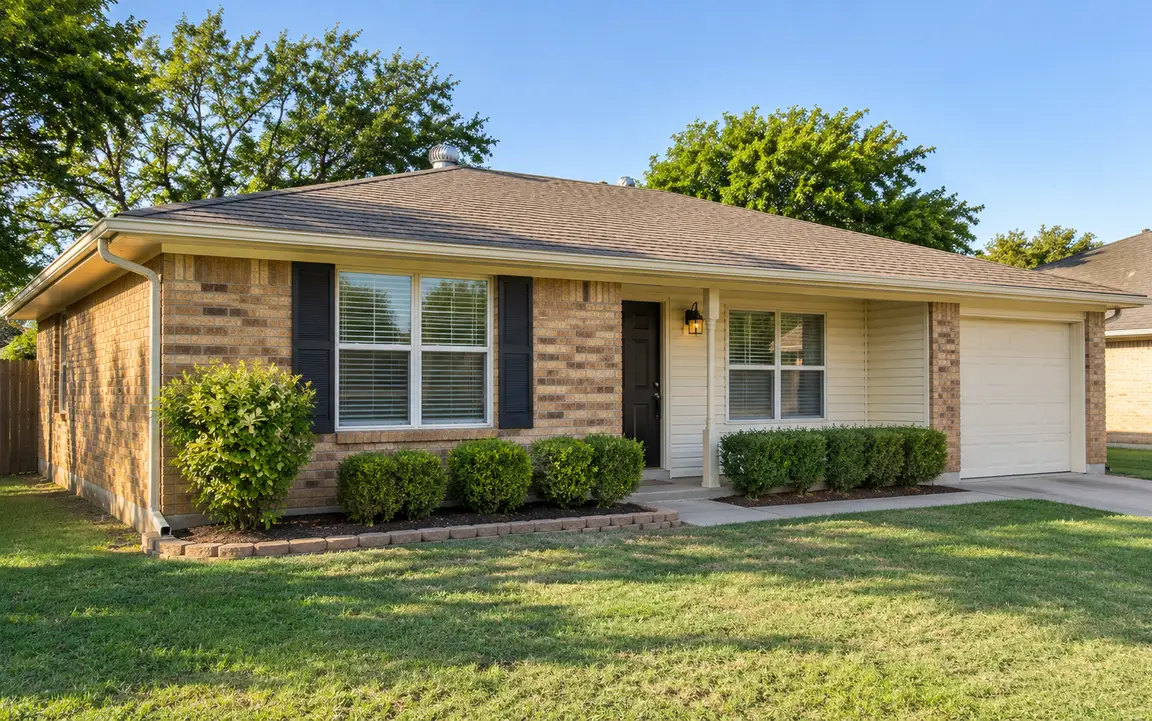
When a family member dies without a will and leaves a home behind, figuring out who can legally sell the inherited property in Arlington is rarely simple. Before anyone signs a sales contract, Texas law decides who owns the home, and that has to be settled first.
When Someone Dies Without a Will in Texas, Who Controls the Property?
Dying without a will is called dying intestate. In that case, Texas doesn’t leave ownership for the family to sort out on their own. Intestate succession law decides who inherits based on family relationships.
How Does Texas Intestate Succession Work?
Texas uses a set order of priority. A surviving spouse often inherits a significant share, but the rules shift depending on whether the property is community or separate property and whether the deceased had children from a previous relationship. With no surviving spouse, children generally inherit equally. With no children, parents and siblings may inherit.
Every family is different, so the shares can get complicated quickly. A parent who passes away with three adult children from two marriages, for example, may leave a property where several people have legal claims and none of them fully controls the home until the court sorts it out.
What Does “Owning” the Property Mean Before Probate?
Until ownership is legally established, no single heir can usually list the property, accept an offer, or sign a deed. Creditors, lienholders, and the county tax authority may still have claims against the estate. Anyone who sells without following the proper legal steps risks a transaction that can be challenged or reversed later.
Community Property vs. Separate Property in Texas
Texas is a community property state, so property acquired during a marriage is generally owned equally by both spouses. If the deceased owned the home before the marriage, it may be separate property, and the inheritance rules differ. Confirm which category applies to your property early, because it affects who the rightful heirs are.
Does an Arlington Heir Need to Go Through Probate Before Selling?
Not always, but often. The answer depends on the estate’s value, how the property was titled, and whether a legal shortcut applies. Probate matters for Arlington typically go through Tarrant County, and a few different paths are available.
What Is the Standard Probate Route?
When an estate is large or complex, the court may appoint an administrator, someone with legal authority to manage the deceased’s assets, pay debts, and transfer property to heirs. The administrator acts much like an executor would under a will, but the authority comes from the court.
Once appointed, the administrator can generally authorize a sale. Until then, family members usually lack the legal standing to do so. The timeline depends on how contested the estate is and how busy the court docket is, so speak with a Texas probate attorney early.
Is Muniment of Title a Faster Option?
For some estates, yes. Muniment of title is a Texas legal process that lets heirs establish ownership without opening a full probate case, but it has strict requirements. The estate generally can’t have unpaid debts other than a mortgage secured by real estate, and the court must find it appropriate. If those conditions are met, heirs can use it to transfer the property more cleanly and move toward a sale.
When Can an Heirship Affidavit Replace Probate?
For smaller estates or properties that don’t need formal probate, Texas lets heirs use an heirship affidavit. Two disinterested witnesses who knew the deceased sign it under oath to confirm family relationships. It’s recorded in the county property records and can establish heirship without a court order.
Title companies and buyers don’t always accept an affidavit alone, especially on higher-value properties. Confirm early whether the title company will accept it, because a rejection late in the process can stall everything.
How Do Multiple Heirs Agree on Selling an Inherited Arlington Property?
Getting several heirs to agree can be the hardest part. Some want to sell right away. Others want to keep the home, rent it out, or wait. Even heirs who all want to sell may disagree on price or timing. Knowing what the law allows when agreement breaks down helps families avoid long, expensive disputes.
What Happens When All Heirs Are on Board?
When every heir agrees to sell, the process is more straightforward once ownership is established. All owners must sign the deed at closing. An heir who lives out of state can often sign remotely or give someone power of attorney. A title company familiar with inherited property sales in Tarrant County can walk each person through what’s required.
This is where a cash buyer can simplify things. We buy homes as-is, so heirs don’t need to coordinate repairs, negotiate inspection contingencies, or prepare the home for showings. If your family wants to sell an inherited house in Arlington as-is, we can work around everyone’s schedule, which helps when heirs live in different cities or states.
What Can You Do When Heirs Can’t Agree?
If one heir refuses to sell, the others can’t simply proceed without them. Texas law does offer a remedy called a partition action. Any co-owner can ask the court to divide the property, which is rarely practical for a single-family home, or to force a sale and split the proceeds.
Partition lawsuits take time, cost money in legal fees, and can strain family relationships. Many families try mediation first, where a neutral third party helps everyone reach an agreement without a judge making the final call.
What Happens to Existing Debts and Liens?
Heirs sometimes find that an inherited property carries unpaid property taxes, a mortgage balance, contractor liens, or other debts. In Texas, those obligations generally don’t disappear when the owner dies. They typically follow the property.
What Should You Do Before You Sell?
Before an inherited property sale can close, the family needs to confirm legal ownership through one of the methods above, identify all heirs and get their agreement, and clear any title issues. Skipping a step can cause problems at closing and may delay or derail the deal.
For most families, contacting a Texas probate attorney is the right first move. Once the legal side is in order, you can move forward on a timeline that works for everyone. If the home needs work or the heirs want a quick, simple exit, you can also get a cash offer for your inherited Arlington home and compare it with a traditional listing.
Frequently Asked Questions
Can heirs sell an inherited house in Texas if there is no will?
Yes, but only after legal ownership is established. Depending on the estate, that may involve opening a probate case in Tarrant County, filing an heirship affidavit, or using a muniment of title to transfer the property.
What happens if one heir wants to sell and another doesn’t?
Texas law lets any co-owner file a partition action in court, which can result in a forced sale and division of the proceeds. Mediation is often a less costly and less contentious way to reach an agreement before taking that step.
Do we have to fix up an inherited property before selling it?
No. Inherited homes often have deferred maintenance, outdated features, or damage from sitting vacant, and many traditional buyers ask for repairs or price reductions. We buy inherited properties in Arlington as-is, so heirs don’t need to invest in repairs or updates before closing.