
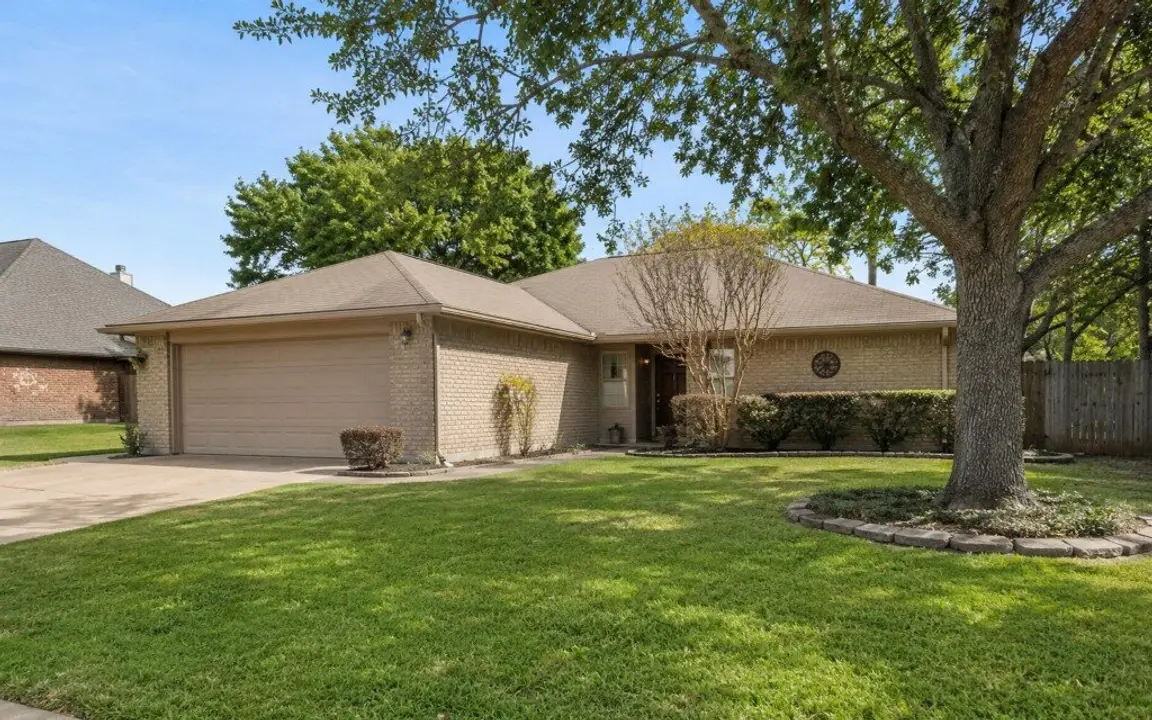
Trying to sell a house with foundation problems is one of the most stressful situations a homeowner in Fort Worth or Arlington can face. Foundation issues can quietly develop for years before a single visible crack appears. By the time you notice something is wrong, the damage may already be affecting your home’s value and your options as a seller.
Texas soil is a major reason foundation problems are so common here. The clay-heavy ground in Tarrant County expands and contracts dramatically with moisture changes. That constant movement puts stress on concrete slabs and pier-and-beam foundations alike. Knowing the warning signs early gives you more control over what happens next.
What Are the Most Common Signs of Foundation Problems in a House?
Not every crack or squeak means your foundation is failing. But certain patterns show up again and again in homes with real structural issues. Learning to spot them helps you act from a place of knowledge rather than surprise.
Doors and Windows That No Longer Work Right
One of the earliest and most overlooked signs is sticking doors and windows. When a foundation shifts, the door frames shift with it. Doors that once opened and closed smoothly may start to stick, drag, or refuse to latch. Windows may feel difficult to open, or gaps may appear along their frames where none existed before.
This matters because many homeowners chalk it up to humidity or age. Sometimes that is the explanation. But when multiple doors or windows in different parts of the house start behaving the same way, that pattern is worth taking seriously.
Cracks in the Walls, Ceilings, and Drywall
Cracks in drywall are another early indicator of foundation movement. The shape and direction of the crack can tell you a lot. Diagonal cracks running from the corners of door frames or windows at roughly a 45-degree angle are a classic sign of foundation settlement. Horizontal cracks in brick exterior walls, especially along mortar lines, can indicate pressure building against the foundation.
Not all cracks mean disaster. Hairline cracks in paint or drywall can happen in any home as it settles naturally. The ones to pay attention to are cracks wider than a quarter inch, cracks that appear suddenly or grow over time, and cracks that show displacement where one side sits higher than the other.
Uneven or Sloping Floors
Uneven floors are one of the clearest physical signs that something has shifted beneath your home. You may notice a floor that bounces slightly underfoot, a slope you can feel when walking across a room, or gaps forming between the floor and baseboards. In pier-and-beam homes, sagging sections are especially common when piers deteriorate or shift.
Which Foundation Warning Signs Scare Buyers the Most?
From our experience working with sellers across Irving, TX, some foundation issues create much more hesitation in buyers than others. Understanding what makes buyers nervous helps you prepare for the conversations ahead.
Bowing or Leaning Walls
Bowing walls are among the most alarming signs a buyer or home inspector can find. When a wall curves inward or leans visibly, it suggests significant lateral pressure or structural compromise. This is more commonly seen in basement walls, though Texas homes with crawl spaces can show similar patterns in foundation walls.
Buyers worry about bowing walls because they often signal ongoing movement rather than an old, stabilized problem. A wall that bowed years ago and has not moved since is a different conversation than one that continues to shift. Documentation from a structural engineer helps clarify this for buyers.
Gaps Between Walls and the Ceiling or Floor
Separation between walls and ceilings, or between walls and floors, signals that different parts of the structure are moving at different rates. This is a visible sign of differential settlement, where one part of the foundation drops more than another.
In Fort Worth’s clay soils, this kind of uneven settling is not unusual. Wet winters followed by dry summers cause the ground beneath homes to move considerably. A home that sits on soil with poor drainage is especially vulnerable. Buyers see these gaps and often wonder whether the movement has stopped or is still ongoing.
Exterior Cracks in the Foundation Itself
Cracks visible directly on the foundation slab or stem walls are understandably alarming to buyers. Vertical cracks in a poured concrete foundation are often the result of shrinkage during curing and may be minor. But stair-step cracks in concrete block walls, or wide horizontal cracks in a slab, tend to raise red flags for inspectors and buyers alike.
Even sellers who have lived comfortably in a home for years can be caught off guard when an inspector points to exterior foundation cracks. Buyers may request a full structural engineering report before proceeding, which can add time and uncertainty to a sale.
Can You Sell a Home If You Are Not Sure Whether Foundation Damage Exists?
Uncertainty about your home’s foundation does not mean you are stuck. Many sellers in this situation have several paths available, and understanding them helps you make a better decision for your circumstances.
Getting a Professional Foundation Inspection First
The clearest way to remove uncertainty is to hire a licensed structural engineer or foundation specialist before listing your home. This is different from a general home inspection. A structural engineer assesses the severity of any issues, identifies likely causes, and recommends repair options with estimated costs.
Having this report in hand before listing gives you leverage. You know what you are dealing with. You can decide whether to repair, price accordingly, or explore other selling options. Going into a sale blind, only to have an inspector surface problems mid-contract, tends to create much more disruption.
Selling As-Is to a Cash Buyer
Sellers who do not want to manage repairs or navigate negotiations often choose to sell a house with foundation problems as-is to a cash buyer. This approach removes the traditional inspection-repair negotiation cycle entirely.
At Starfish Group Properties, we buy homes in Fort Worth and Arlington regardless of their condition. Foundation issues, deferred maintenance, and cosmetic damage do not stop us from making an offer. After reviewing the property details, we can provide a written cash offer for your consideration. There are no repair demands and no requests for credits at closing.
Disclosing Foundation Issues to Traditional Buyers
Texas law requires sellers to disclose known material defects, and foundation problems fall squarely into that category. Failing to disclose a known issue is not just a legal risk; it can unwind a sale after closing and lead to serious liability.
If you choose to list on the traditional market, working with a real estate attorney and a knowledgeable agent can help you navigate disclosure requirements properly. Some buyers, particularly investors and experienced flippers, actively seek homes with foundation issues at a fair price. They have their own contractors and are comfortable taking on the work.
Transparency tends to attract the right buyers and reduce the chance of a sale falling apart after an inspection surfaces what you already knew.
Frequently Asked Questions
How do I know if my home has foundation problems before selling?
A licensed structural engineer or foundation specialist can provide a thorough assessment of your home’s condition. Common signs to look for on your own include sticking doors and windows, diagonal cracks near door and window frames, uneven floors, and gaps where walls meet the ceiling or floor. If you notice several of these in different parts of the home, a professional evaluation is worth the investment before listing.
Do I have to fix foundation problems before I can sell my house?
Repairs are not legally required before selling, but in Texas, you are required to disclose known material defects to buyers. Some sellers choose to repair before listing to protect their asking price. Others price the home to reflect the condition and sell as-is, which is a path when working with cash buyers like Starfish Group Properties. The right approach depends on your financial situation, your timeline, and your goals.
What options do I have for selling a house with foundation problems in Fort Worth?
The appropriate approach depends on the property’s condition, available equity, estimated repair costs, and the terms buyers are willing to offer. A homeowner may choose to obtain a professional structural evaluation, complete repairs before listing, market the property in its current condition, or consider a direct cash offer.
At Starfish Group Properties, we evaluate Fort Worth and Arlington homes with foundation concerns based on their current condition and other property-specific factors. Our written offer allows the homeowner to compare a direct as-is purchase with the other options available for the property.