
Understanding the tax on selling an inherited house in Texas could save you thousands of dollars before you list the property. Many heirs assume they’ll owe capital gains tax on the home’s full current value, or on every dollar of appreciation since the original owner bought it. That assumption is usually wrong, and basing your decisions on it can lead to costly mistakes.

What Does Tax Basis Mean for an Inherited House in Texas?
Tax basis is the starting value the IRS uses to calculate your gain when you sell. If you sell for more than your basis, the difference is your taxable gain. If you sell for less, you may have a loss.
For a home you buy, the basis is usually the purchase price plus certain improvements. An inherited home works differently.
Why Doesn’t the Original Purchase Price Apply to You?
When you inherit a house, your basis generally isn’t what the original owner paid decades ago. You weren’t the buyer, and the tax code doesn’t treat you as if you were.
This is the misconception that trips up many heirs. Picture a homeowner who bought a house in 1985 for $60,000. It’s worth $280,000 when they pass away. An heir who believes their basis is $60,000 might think they owe tax on $220,000 of gain. That would be a significant and unnecessary shock.
How Does the Step-Up in Basis Rule Work?
Under the IRS step-up in basis rule, your starting value generally resets to the home’s fair market value on the date the owner died. It’s called a “step-up” because the basis moves up to the market value instead of carrying over the old purchase price.
Using the example above, if the home was worth $280,000 on the date of death, your basis is $280,000. If you then sell for $285,000, you owe capital gains tax on only $5,000 of gain, not $220,000.
This rule generally applies whether you inherit through a will, a trust, or intestate succession, regardless of how long ago the original owner bought the home. Special situations can change the result, so confirm the details with a tax professional.
How Does the Stepped-Up Basis Rule Change What You Owe?
The step-up rule exists partly so heirs aren’t taxed on gains they never experienced. You didn’t own the home while it appreciated, and the tax code resets the clock to reflect that.
How Do You Calculate Your Actual Capital Gain?
Your taxable gain is the sale price minus your stepped-up basis, minus the selling costs you paid. Here’s an example:
- Sale price: $295,000
- Stepped-up basis (fair market value at death): $280,000
- Selling costs (agent commissions, closing fees, and similar): $8,000
- Taxable gain: $295,000 − $280,000 − $8,000 = $7,000
That $7,000 is your gain, not the full $295,000 sale price.
If you sell for what the home was worth on the date of death, or less, you may owe no federal capital gains tax. In some situations, a sale below the stepped-up basis can even produce a loss.
How Does Inherited Property Valuation Work in Practice?
To establish your stepped-up basis, you need a defensible valuation as of the date of death. The most common method is a qualified appraisal by a licensed appraiser who can certify the home’s value on that date.
County appraisal records can sometimes serve as a starting reference, but they aren’t always a good substitute for a formal appraisal. Estate attorneys and accountants often recommend getting a formal appraisal for your records, especially if the estate is large or heirs may dispute the value.
Are There Texas-Specific Considerations?
Texas has no state income tax, so you generally won’t owe state-level capital gains tax when you sell. Federal rules still apply, but you won’t face a second layer of tax on your gain.
If you lived in the inherited home for at least two of the five years before selling, you may also qualify for the federal home sale exclusion of up to $250,000 for single filers or $500,000 for married couples filing jointly. Eligibility depends on your circumstances, so check with a tax professional.
What Happens to Your Tax Basis if You Wait Years Before Selling?
Selling right after inheriting is common, but not universal. Some heirs hold the property for years, rent it out, or leave it vacant while the family sorts out decisions. Your stepped-up basis doesn’t disappear, but waiting adds new factors.
Is Appreciation After the Date of Death Taxable?
Yes. Your stepped-up basis is set at the date of death, and any appreciation after that is a gain you may owe tax on when you sell.
If the home was worth $280,000 when you inherited it and sells for $340,000 three years later, your taxable gain is $60,000 before selling costs. That’s standard capital gains treatment, no different from selling any other investment property.
What About Rental Use and Depreciation Recapture?
If you rented the property after inheriting it, you were likely claiming depreciation deductions. When you sell, the IRS requires you to “recapture” those deductions, meaning part of your gain may be taxed at a higher rate. Many sellers overlook this, and it can raise your tax bill. A CPA or tax advisor can calculate it before you sell.
Do Repairs and Improvements Increase Your Basis?
They can. Capital improvements you made after inheriting, such as a roof replacement, a new HVAC system, or a kitchen remodel, can be added to your stepped-up basis. Keep receipts for major work, since documented costs can reduce your taxable gain.
Minor repairs, routine maintenance, and cosmetic touch-ups generally don’t count as capital improvements. If you spent significant money on the property, ask a tax professional what qualifies.
Should You Sell As-Is After Inheriting?
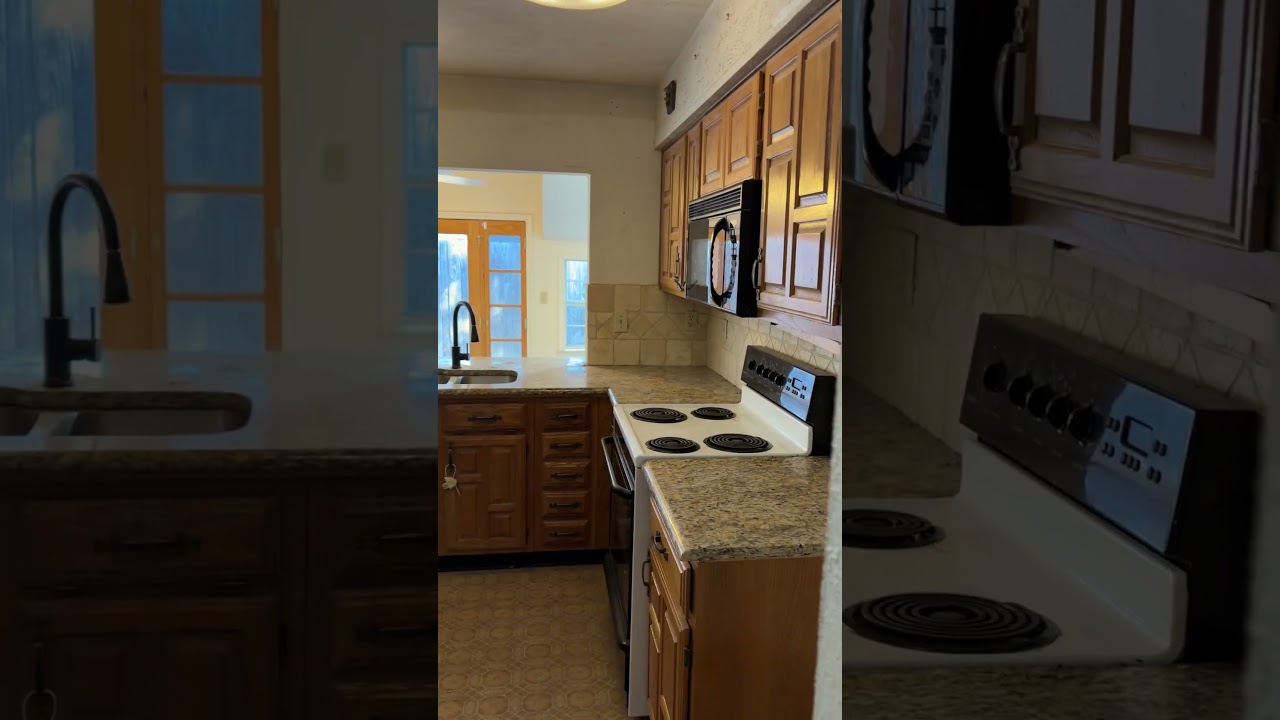
Some heirs inherit a home that needs substantial work and don’t want to put more money into it before selling. If that’s you, you can sell your inherited Texas house without making repairs to a buyer who purchases in current condition.
Because your taxable gain is measured from the stepped-up basis and not the original purchase price, selling without repairs generally won’t hurt your tax position the way some heirs fear. You’re taxed on what the home gained after you inherited it, not on decades of earlier appreciation. If you’re weighing a quick sale, you can also work with a cash home buyer for your inherited property and compare the offer against your expected net after taxes and costs.
Frequently Asked Questions
Do I owe capital gains tax on the full value of an inherited house in Texas?
No. Capital gains tax is generally calculated only on the gain above your stepped-up basis, which is the fair market value at the original owner’s death. If you sell for close to that value, your taxable gain may be small or zero. Federal rules apply, but Texas has no state capital gains tax.
What is the stepped-up basis on an inherited property, and how is it determined?
It’s the IRS-recognized value of the inherited property as of the date the previous owner died. It’s typically established through a qualified appraisal or other documentation of fair market value on that date. Work with an estate attorney or CPA to document the value properly before you sell.
Can I sell an inherited house in Texas without making repairs first?
Yes. Selling an inherited home as-is doesn’t change how your tax basis is calculated. Your tax position is based on the stepped-up basis, not the home’s condition at the time of sale.